Before your first cold spell, focus on three things: how your heating system operates, which water lines need freeze protection, and whether your household knows what to do if something needs attention. A new home still needs seasonal care, and November is a useful time to learn those details before you need them.
If you're still getting settled, our first-30-days move-in checklist can help you organize the basics. This winter guide takes the next step: preparing for cold weather using the instructions for the equipment and fixtures actually installed in your home.
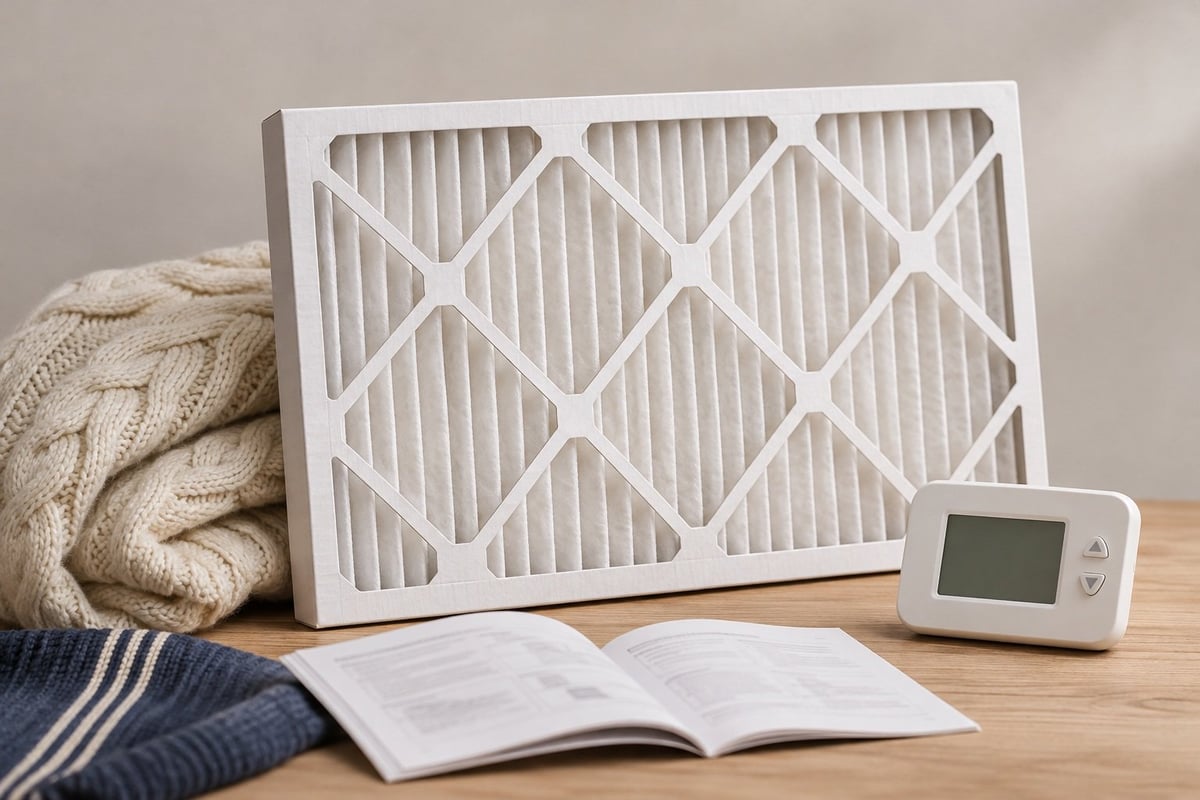
Start with the heating system you have
Find your thermostat instructions and confirm the filter size, location and care schedule. Carrier’s heat-pump maintenance guidance recommends checking filters monthly and keeping supply and return vents clear. Follow your own equipment manual for filter selection and replacement; a filter that fits the opening is only part of the decision.
Walk through the rooms after arranging furniture. A sofa, rug or curtain shouldn't block a register or return. If you have an outdoor heat-pump unit, keep loose leaves and debris away without opening the equipment. Have a qualified HVAC professional handle electrical, refrigerant and mechanical work. Ask your installer which service schedule applies to your system.
Check windows and doors before changing anything
Make a simple room-by-room check: do windows close and latch, and do exterior doors close fully? Note a damaged seal, a persistent draft or a control you don't understand. Photograph the location and ask for guidance before applying caulk, altering weatherstripping or covering an opening. The right next step depends on the product and the condition.
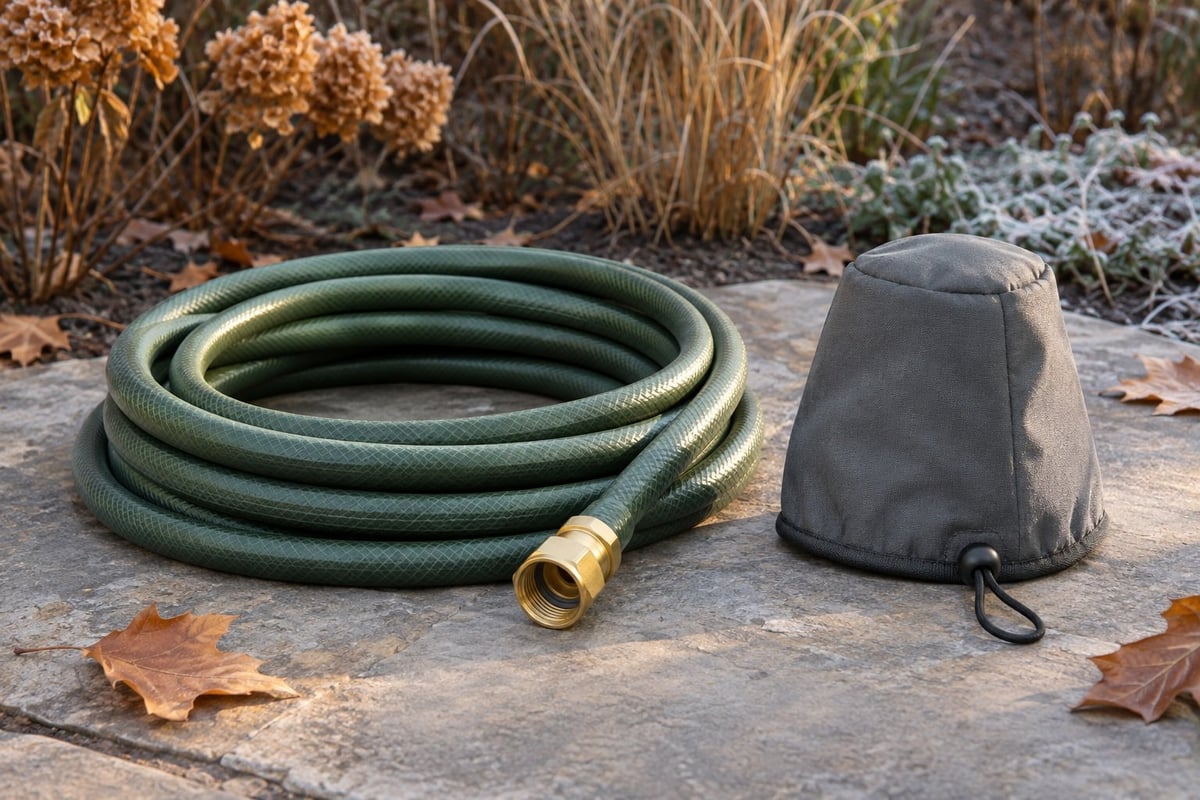
Know which plumbing needs cold-weather attention
Start outdoors. The American Red Cross recommends removing, draining and storing garden hoses before cold weather. Check the instructions for your outdoor faucet and any irrigation equipment; winterizing steps depend on how each system is installed. If you cannot identify the correct valve or procedure, ask a qualified plumber rather than experimenting.
Find out whether any water lines run through unheated spaces, such as a garage or crawl space. Ask a plumber about protection appropriate to those locations. Make sure household members know where the main water shutoff is and how to operate it safely.
For a trip during cold weather, the Red Cross advises leaving the heat on at no lower than 55°F. That is general guidance, not a guarantee against freezing. Ask about any additional precautions for your home. If a pipe may be frozen or is leaking, contact a qualified plumber promptly; never use an open flame to thaw it.
Make heating safety part of the winter routine
If you use a portable heater, the U.S. Fire Administration advises keeping anything that can burn at least three feet from heat sources and turning space heaters off when you leave the room or go to bed. Never use an oven to heat the home. If your home has a fireplace or chimney, arrange professional inspection and cleaning as recommended before use.
The U.S. Fire Administration recommends testing smoke alarms monthly and caring for them according to the manufacturer's instructions. Review your carbon monoxide alarm instructions, too. Know what the alarm signals mean and make sure everyone can find the household's escape plan.
Before a cold spell: a short household check
Use this list as a final check after reviewing your manuals and asking any equipment-specific questions:
- Heating: confirm the thermostat settings, check the filter and keep vents clear.
- Outdoor water: disconnect and drain hoses; confirm the correct winterizing procedure for installed fixtures.
- Travel: plan for continued heat and arrange someone to check the home if needed.
- Safety: test smoke alarms, review other alarm instructions and keep exits accessible.
- Contacts: save the appropriate HVAC, plumbing, utility and builder contact details where everyone can find them.
Keep a useful record of anything that changes
If a concern appears, write down when it began, where it occurs and what you noticed. A clear photo and a short description give the appropriate professional a better starting point. Send concerns when they arise rather than waiting to finish a seasonal checklist.
Routine care, a service question and a possible warranty concern may require different next steps. Use the documents supplied for your home to understand the applicable process and coverage. A general winter checklist does not determine whether a specific repair is covered.
Preparing for winter means knowing your home well enough to take the next useful step. If you have a question about your LND home, visit LND Homes Homeowner Support for the current contact information and submission route. Keep your home's documents handy so your question reaches the right place.